Workshops
2026 Workshops at the Weald and Downland Living Museum, West Sussex

2026 Workshops in the Temperament and Roman Gardens of the School of Herbal Medicine at the Dower House near Cirencester


WorkshopS At The WeaLD and Downland
Herbs in Anglo-Norman Cookery.
Wednesday July 15th 09:30am - 4:30pm.
We will be looking firstly at the background of trade with galleys bringing spices, sugar and dried fruits such as raisins, dates and figs into Southampton, enabling the wealthy to enjoy adventurous cookery. Spice accounts of the wealthy and lists of ship’s cargoes make fascinating reading. Instruction on table manners with a herbal handwash before tasting recipes will add to the experience.
Flowers of hawthorn, elder and rose feature, along with almonds, pistachios, hazel, pine and chestnuts and familiar herb seeds and seasonings. We will be making sweet and savoury dishes, noting Syrian, Spanish and Saracen’s recipes. Herbs for flavouring and colouring of dishes include sage, parsley, mulberry, dragon’s blood, saffron and alkanet. A mix of pottages, ravioli, fritters and pastries with spices, herbs, fresh and dried fruits, and almond milk fits remarkably well with modern tastes.

Workshop
Healthcare - Healing Physical and Emotional Wounds
Thursday July 16th. 9.30a.m.- 4.30pm. £80.
A day about beauty and historical attitudes to skincare and healing leads us to consider factors in how we treat our skin today. We will explore the role of the skin as the body’s largest organ and the ways in which we can support it with both internal and external medication. From diet and hydration to addressing stress, mental and emotional health, recipes will reveal the involvement of circulation, digestion, nerve and immune responses which result in chronic skin disorders. Managing such conditions as eczema and psoriasis in history and today and treating burns and wounds with a recommended herbal first aid kit involve familiar native herbs.
Phototoxic plants and their effects will be contrasted with many soothing and healing plants such as cleansing burdock, figwort, fumitory, dock and goosegrass. Anti-itch herbs, peppermint, liquorice, chickweed and lavender will be included as well as anti-histaminic chamomile. Calendula, Saint John’s wort, cowslip, rose and plantains have a major role.


Workshop
Herbs At Sea - Naval surgeons and botanists.
Friday 17th July. 9.30a.m. - 4.30pm. £80.
A day to consider the constraints on space on board ship in the past and how this narrowed the choice of health supporting herbs on long voyages. This will be illustrated by the early 19th century medicinal herbs of the naval surgeon. The few herbs he was allowed show efficacy in many situations. They had to be approved by the Royal Society of Physicians.as the most active, cheap and useful. These included chamomile, wormwood, squill, capsicum, mustard, conserve of roses, gentian, myrrh and spices. Naturally opium and Gelsemium were also aboard for severe pain. Recipes will be for sea sickness, first aid, including healing wounds, and common problems of the time.
The sea surgeon was also encouraged to make a study of botany in order to be able to re-stock his supplies if necessary and cope with being stranded after shipwreck. Ways of recording new plant discoveries and transporting live plants at sea, with stories of the involvement of explorers and buccaneers such as William Dampier will enliven the day.


Workshops at The Dower House, Daglingworth
Spices, Their history and Use in Medicine and Cookery. Christina
Saturday 21st March 9.30a.m. - 4.30pm. £75. Lunch £5
We begin with the spice accounts of the rich then relating these to stocks kept by the apothecary and entries in the Pharmacopoeias. Over several centuries the irreplaceable role of spices is revealed. Gaining control of their lucrative trade drove exploration for a new route to the East Indian ‘spice islands’ battles over their possession, and cartels in Venice to store many years harvest in order to fix high prices.
But what is their real value? It is certainly more than flavour and leads us to investigate the medicinal properties of nutmeg, cinnamon, ginger, pimento, cloves, galangal, cubebs and grains of paradise. Making recipes on the day will give practical experience of exploring the depths of their antibacterial, pain-relieving, digestive and anti-inflammatory properties and learning how to put these to best use in our daily lives. From the gentle aromatic distilled waters to powerful essential oils and fresh and powdered spices the day promises to be filled with spicy fragrant heat and rich in discovery of these fascinating, exotic ingredients.
Workshop
Compassionate Herbs for Stress. Christina
Sunday 22nd March. 9.30a.m. - 4.30pm. £75. Lunch £5
A wholistic approach to easing stress, beginning with a personal questionnaire for participants to make their own private assessment of their needs, or to use for the benefit of others. Some herbs bring serenity through their fragrance and beauty, as with the rose, clove pink, and the bitter orange or lemon trees. Growing such herbs, whether in tubs on a balcony or patio, or planting a small or larger garden area for serenity, with sedatives, tranquilizers and herbs to cheer the melancholy, is a worthwhile project.
A suggested garden plan includes herbs for fragrant recipes, in addition to those culinary herbs to aid nerve and brain function containing calcium, magnesium and B vitamins, and others for their cooling and calming benefits for skin and to support gut health. California poppy, chamomile, lavender, lemon balm, clary sage, verbena, lemon and rose scented geraniums and betony, are some of the herbs explored in depth and included in recipes made on the day with some to take home.


Workshop
The Tree Dispensary -Native Trees . Christina
Saturday 2nd May 9.30a.m. - 4.30pm. £75. Lunch £5
At a time when climate change and the desperate need to address it in whatever ways we can is encouraging planting trees on a grand scale, this is an opportunity to appreciate their worth to us in so many ways. Since the industrial revolution and fewer people being familiar with the countryside, knowledge of the medicinal use of trees has declined. On this day a short walk will offer us an introduction to coming to know the trees around us, with glimpses both of their history in medicine and usefulness today.
Through pictures, products and making recipes we will look at the uses of fruits, blossoms, leaves, barks, roots, wood, sap and resin to make medicines, splints for broken limbs, and so much more. The association of birds, animals and insects with trees and the interconnected nature of the ecology, including woodland plants, will make this a day full of interest. Over millennia medicinal trees have also given foods, wines, flavourings, incense, dyes, inks and basketry materials. With a walk in the gardens we will add a rich folklore surrounding hawthorn, bay, beech, birch, elder, hazel, sloe, cramp bark, oak and willow.
Workshop
Elegant and Deadly – Umbellifers Christina and Ruth
Sunday 3rd May 9.30am.- 4.30pm. £75. Lunch £5
The Umbelliferae family, now renamed Apiaceae, contains many plants both cultivated and wild, familiar and less so. Of those grown in herb gardens, many are used as seasonings or spices. Herbs such as dill, fennel, cumin, coriander and angelica have all been commonly used in cookery, while lovage, sweet cicely and wild celery tend to be less familiar. Not all plants with the characteristic elegant umbels of flowers in this family are harmless. Some really are deadly.
Foraging has become more popular in recent years and an inexperienced gatherer might mistake young hemlock for harmless sweet cicely, which is used as a sweetener. Once identification of these is established by experience that mistake is highly unlikely to happen. While hogweed can be used as a foraged wild food, it would not be good to gather the giant hogweed, which, like some other umbellifers is phototoxic from the presence of furanocoumarins. On this day we will be looking at fresh plants and herbarium specimens to note the vital clues to identification and exploring recipes with safe members of the family listed above.


Ruth Mannion-Daniels B.Sc (Hons) Biology, B.Sc (Hons) Phytotherapy, Diploma in Naturopathy and Herbalism in Unani Tibb, MCPP, FLS.
With a shared interest in historical herbal medicine, Christina and Ruth have been friends and colleagues since the last year of their training, 2004. They have collaborated previously on Georgian and botanical family workshop days held in Bath. Having recently moved to the Cotswolds, Ruth planned her large teaching garden together with Christina, creating areas to indicate the temperaments, and therefore, actions of the herbs, and a Roman garden. A planetary garden will extend the herbal teaching areas within the grounds of the house later this year. 2025 opens a new chapter of workshops both historical and modern, concerning largely native and naturalised plants at the Dower House.
Ruth was brought up in Devon, West Africa and the Australian Outback. She has lived since in the Mediterranean and northern Europe. An early fascination with plants led to the lifelong pursuit of botany. She is currently running a charity project in forestry, health and education in Kenya. She has been a practising herbalist for 20 years.
Workshop
Pharmacognosy and Botany. Christina and Ruth
Saturday 6th June. 9.30a.m.-4.30p.m. £75 Lunch £5
An interesting day for practitioners and students alike to explore how the botany and living function of plants relates to their chemistry, humoral status and consequent uses in herbal medicine. An overarching exploration will include plant anatomy and physiology in relation to their environment. This then takes us from pharmacognosy to pharmacokinetics and pharmacology, as we consider chemicals that are important in plant responses and how they interlock with receptors in human bodies.
Quality control is an important aspect of herbal medicine, with questions asked as to how we maintain a high standard in a changing climate. A wholistic approach is taken with a base in the relation between the macrocosm and microcosm in both plant and patient. Recipes will include those to support both plant and human health, with nettles, comfrey, sage, horsetail, and Bach flower remedies for plants and a selection of herbs from the hot and dry, warm and moist, cold and dry and cold and moist beds in the temperament garden for treating patients.


WORKSHOP
Stillroom Secrets - Aromatic Waters . Christina
Sunday 7th June. 9.30a.m.-4.30p.m. £70. Lunch £5
At the hub of the large houses over the centuries from Tudor to late Georgian periods was the stillroom. In early times, often a separate building in the gardens for safety and easy access, later part of the house, this was where all manner of herbs, fruits and sweetmeats were prepared. Distilling simple aromatic waters provided stock items for use in medicines, cosmetics and culinary preserves. Medicinally, they might be taken or applied alone, added to hand or footbaths. With syrups aromatic waters give tasty juleps for digestive and other recipes. Waters can also be included in cough sweets and other recipes.
In the past the highest number of compound waters were either cephalics for treating the head and nervous conditions, digestives for the stomach or epidemic waters against infectious disease. We will be looking at the herbal ingredients, the base liquors for distilling, metal and glass stills and comparing methods used, as well as reviewing claims for their efficacy by both ladies in their stillrooms and the apothecary with recipes from the Pharmacopoeia. As we come to identify herbs of importance, still in use in this form, we will be making a range of original recipes. Herbs will include roses, orange flower, bay, peppermint, cinnamon, cardamom, pimento, rosemary, lemon balm , angelica, elecampane and hyssop.
WORKSHOP
Meet the Daisy Family. Ruth and Christina
Saturday 15th August. 9.30a.m.-4.30p.m. £75. Lunch £5
The Asteraceae family includes perennials, biennials and annuals of varying heights. There are some particularly beautiful plant forms, with the milk thistle, blessed thistle, and artichoke. Of the daisy form, the common daisy, ox-eye, chamomile, pot marigold, elecampane and costmary all have a long history of medicinal use. Smaller daisy forms are seen in mugwort, hemp agrimony, groundsel, yarrow, European golden rod and wormwood. The dandelion is perhaps better known to gardeners as a resilient weed but today will be revealed as a highly valued herb for treating the liver, urinary and immune system.
We will be exploring the temperament and Roman gardens as we appreciate the many uses of these herbs, particularly the pot marigold, artichoke, elecampane and dandelion. For winemakers written recipes include pot marigold with peach, and dandelion and burdock. Recipes made will be helpful for digestive problems, urinary infections, inflammatory conditions and coughs.


WORKSHOP
Ageing Successfully. Christina
Sunday 16th August 9.30a.m.- 4.30p.m. £75. Lunch £5
It is never too early, or too late to improve your chances of reaching and living on through old age in the best health possible. Successful ageing is about maintaining a lifestyle involving diet, exercise, a healthy sleep regime, stress management and consideration of environment to keep physical and emotional functioning in balance.
Herbs to aid with these goals are introduced as we look at restoring and promoting continued health. This includes aspects from the benefits of horticultural therapy, while growing a herb garden, to integrating herbs into daily life. Various ways will be explored from making fragrant blends to influence mood with pot-pourri and sleep or calming pillows, to system cleansing herbs and vitamin and mineral rich seasonings for tissue repair.
Herbs will be suggested to support specific body systems as we make recipes to aid nerve and brain functioning, digestion, breathing and circulation. Herbs on the day include rosemary, sage, nettle, elecampane, dandelion, hawthorn, ginger, plantain and more. This day may also act as an introduction to the Ageing Successfully Courses, both Essentials and Interactive, which go into further detail.
WORKSHOP
Alchemy and Chemistry in Medicine. Christina
Saturday 12th September. 9.30a.m. - 4.30p.m. £75. Lunch £5.
The word alchemy tells us of the origins of the science in the Arabic world. With the Arabic prefix ‘Al’ meaning ‘the’ and ‘khem’ literally ‘black’ referring to the rich black soil of the Nile delta and Egypt. Khem is also the source of the word chemistry. Paracelsus, qualified physician and surgeon, in the 15th century shocked the University authorities in Basle by lecturing to his students wearing an alchemists’ leather apron. He pronounced the goal of alchemy should be to prepare medicines, not to search for gold. Paracelsus wrote about his ideas of the basics of medicine which at that time rested on four pillars, philosophy, astronomy, alchemy and virtue.
In light of this historical origin we look at the three principles making up each plant which correspond to the alchemical terms, mercury, sulphur and salt. Throughout the whole plant world ethyl alcohol is the carrier of the mercury principle. Sulphur and salt principles belong to the individual species.
We will explore the relationships of tincture making to extract specific chemical plant constituents, and spagyric tincture making which is alchemical and involves astrology. Meanwhile considering a range of herbs and herb parts in the temperament garden, best extraction methods and alcoholic bases. Compound tinctures and elixirs will be among recipes made.


WORKSHOP
Humoral Medicine Christina and Ruth
Sunday 13th September. 9.30a.m. - 4.30p.m. £75 Lunch £5
Every person has a basic fixed temperament, this, their personality and the combination of all four humours, present in varying ratios within their body, define how well they respond to everyday life. The interplay between the physical, emotional and mental state of the individual in their changing circumstances is seen as responsible for health and sickness. Digestion and elimination, diet and drink, air and environment, rest and exercise, sleep and wakefulness, mental stimulation and rest, are all important factors to be considered and balanced, enabling you to have a measure of control.
In addition to learning about how temperament is assessed you will be introduced to the energetics of herbs. These are classified as hot and dry, warm and moist, cold and dry and cold and moist in their actions on the patient’s body. This is seen in the order of the beds in the temperament garden. Recipes made on the day will illustrate these properties and match them to treat specific conditions. Herbs will include rosemary, garlic, Calendula, elecampane, marshmallow, houseleek, plantain, and chickweed.
WORKSHOP
Seeds of Good Health. Christina
Saturday 10th October.9.30a.m. - 4.30p.m. £75 Lunch £5.
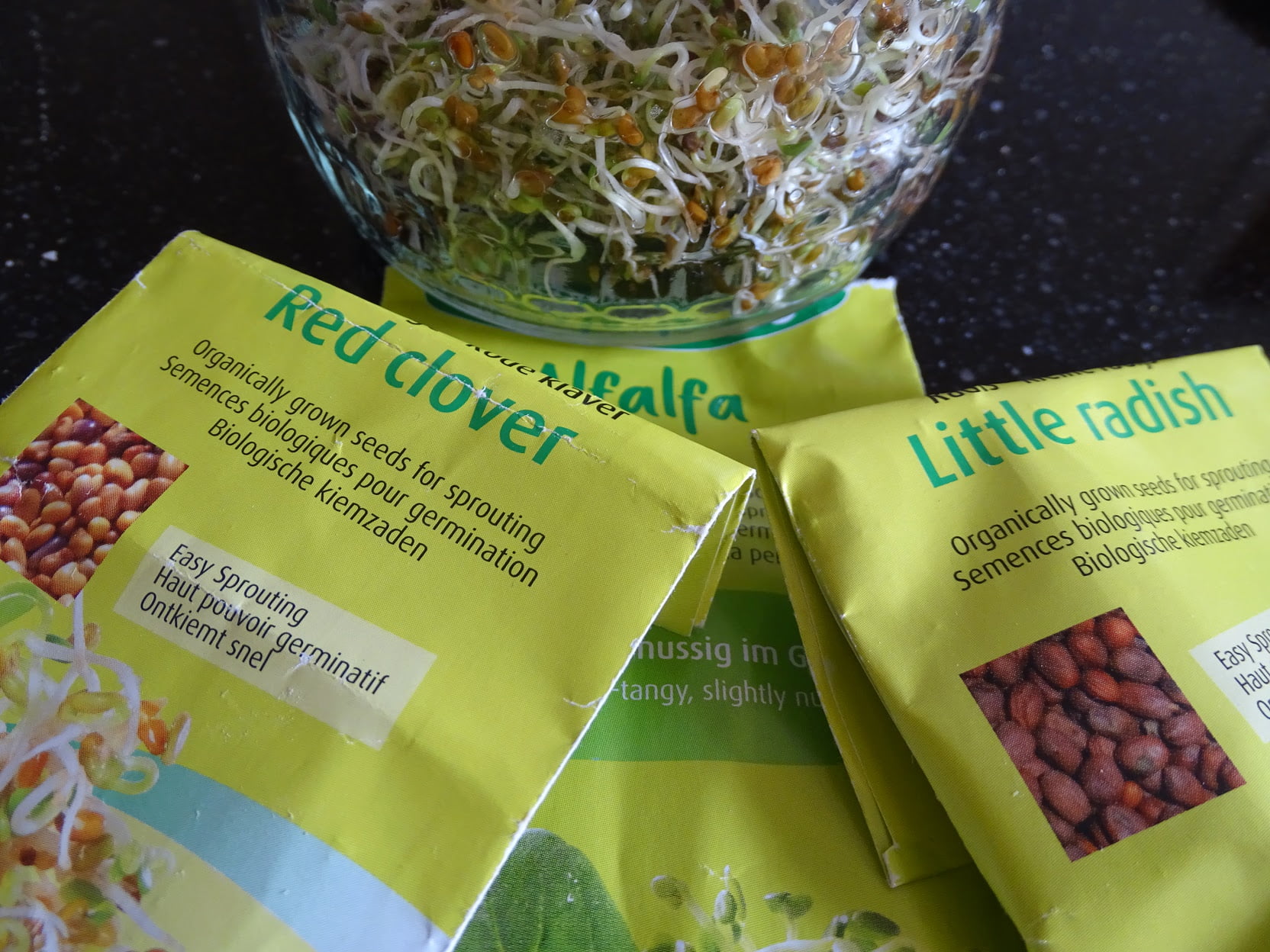
The time of gathering seeds from the herb garden is now almost over and we will be looking at their potential roles in winter diet and remedies. With fewer fresh leaves available in the colder months, seeds are especially valued in flavouring foods, from cheese dishes to stir fries, cakes, breads and salads. Sprouting seeds for live food, so important in winter, reveals the presence of enzymes helpful to their digestion when prepared in this way. Alfalfa, radish, chickpea, fenugreek and pumpkin offer a range of flavours, vitamins and valuable minerals.
Seeds hold the potential of the whole plant which has made them valued in medicine. Their use in recipes both past and present will be explored, including considering the heating qualities of seeds of Anise, Cumin and Fennel and the cooling effects of edible Cucumber and Melon. Recipes made will include mint sauce with a difference, some addressing digestion, increasing brain power and reducing inflammation and swelling. There will be a useful recipe to take home. Thinking about those seeds to store and a sowing guide for next spring will bring our appreciation of the place of seeds in seasons of the year full circle.

WORKSHOP
Gathering Fruits and Roots. Christina and Ruth
Sunday 11th October. 9.30a.m. - 4.30p.m. £75. Lunch £5
Autumn has always been a busy time for gathering roots and fruits. Herb roots are variously dried for teas or use as flavourings, as with ginger, dried for use in fixing pot-pourri as with angelica, orris, or calamus, or dried and roasted for “coffee”, as with chicory or dandelion. They can also be candied to add to preserves or to make medicinal and enjoyable sweets, as with sweet cicely, marshmallow and elecampane. This day will be a chance to practice the correct ways to harvest and prepare a selection of roots for the uses above.
Autumn fruits are ripening earlier in the year than previously, but again we will be looking at the many ways to prepare those available. Jams, jellies, leathers, ketchup and syrups from fruit juices are likely to include elderberry, sloe, haws, quince and rosehips. Hazelnut and walnut recipes will add to this harvest festival workshop with many recipes and some products to take home.
WORKSHOP
Healthcare: Managing Menopause. Ruth
Saturday 14th November. 9.30a.m. - 4.30p.m. £75. Lunch £5.
Menopause – design fault or natural gift?
Women are no strangers to change: from their new body shape at puberty, the onset of menstruation and the changes within each monthly cycle. On through the subtle signs of ovulation and the huge changes of pregnancy, birth and lactation. Then the years of changes through pre-, peri- and menopause leading to the more mature condition of mental development and wisdom.
This workshop will reflect on the historical and global cultural concepts of menopause and on the beliefs and attitudes of our own time. It takes the stance that menopause is not a female design fault requiring medicalisation but rather a natural and timely gift in a woman’s life. We shall emphasise the importance of attending to health well before change begins, the role of the gut and the liver in managing hormonal balance, and the broad spectrum of lifestyle. This includes exercise and rest, diet and elimination, mental activity and peace of mind, the reduction of environmental toxins, and the effect of sleep on future heart health. The profound changes that discomfort many women can be eased naturally with herbs such as chasteberry, black cohosh, dong quai, licorice, sage, yarrow, motherwort, milkthistle, lady’s mantle and dandelion root, which we shall learn how to prepare and use appropriately.


WORKSHOP
Healthcare: Immune Support and Seasonal Affective Disorder in Winter. Christina
Sunday 15th November. 9.30a.m. - 4.30p.m. £75. Lunch £5.
At the dawn of western medicine as we know it the Greek philosophers drew attention to the connections between mental well-being and health. The environment of the patient in all senses of the word was, and is still, important to continued health. This includes the season of the year. which affects some people more than others. When it is known that autumn and then particularly winter, with increasingly dark days, will affect well-being, herbs can provide remedies to be incorporated with lifestyle.
Warming remedies can be of help with coughs and colds, but we will also be looking at ways to avoid catching infections in the first place. Bach flower remedies will be considered alongside herbal aromatic waters and fragrance when it comes to mood support. Room sprays, gargles, inhalations, teas, sweets and resins to chew will reveal a variety of approaches. Myrrh, elderberry, goosegrass, lemons, orange blossom, elecampane, thyme, sage, white horehound, ginger, cinnamon, liquorice and rosemary will be included in recipes made on the day.
WORKSHOP
Herbal Gifts, Traditions and Decorations. Christina
Saturday 5th December. 9.30a.m. - 4.30p.m. £75. Lunch £5.
A day of sweet fragrances, spices and all the elements of Christmas. The morning begins with an introduction to Christmas traditions and the folklore concerning the greenery associated with Christmas. Gifts and decorations of your own choice made on the day will include a cinnamon sled decorated with slender stems of woven ivy and carrying sacks of gold-wrapped sweets, frankincense and myrrh. A fragrant miniature garden of dried herbs and spices which can be set in a clear container or decorated wooden box. Spicy sacks of Christmas fabric filled with a mix of rosemary and spices which can be hung from the tree. A seed collage, or a soft white fur snowman filled with sleepy herbs or rose and lemon verbena. Small charges for cost of ingredients and materials are extra.
